.png)
Verified data. Real insight. | Q3 2026
This is the full companion to our Q3 2026 newsletter. Each section expands on what you read in the email. Use the links below to jump directly to what interests you most.
In this issue:
Notes From the CEO
Last week took me from Des Moines to New York, and I saw the gap between action and intention up close.
In Iowa, I spent time on family farms with the team at Niman Ranch. I saw firsthand how the Niman model helps family farms succeed, produce quality food, and keep rural communities healthy and vibrant. We walked through real case studies comparing the environmental footprint of these systems to conventional farms. We also dug into nutrient density with Niman stakeholders, using our testing of their beef product lines as the center story.
Then came Climate Week, where pomp and promises reign supreme. The contrast was stark. It made me appreciate even more the people pouring their blood, sweat, and tears into building real companies, real solutions, AND the reality of people who are really growing our food. I left proud of what we're building at Edacious and with mixed feelings about Climate Week as a whole.
But here is what I'm most proud of. Nutrient density was on the table. It showed up on panels across the city, and for good reason. Consumers care more about what's in it for them than what's in it for the climate, the land, or the farmer.
If we're going to win on climate/food/agriculture, we have to connect healthy food to healthy ecosystems. That is exactly what we've been working on. When brands can speak credibly to the nutritional quality and safety of their products, they meet consumers where their interest already is. Nutrient density fills that gap. It's why I founded Edacious.
And that’s why I was so excited to preview our upcoming Regenerative Organic Nutrition Report. It draws on primary testing of 46 ROC™ products from thirteen brands, making it the largest independent study of regenerative organic nutrition across brands to date. The early signal is real. ROC products trended favorably against conventional benchmarks across a wide range of nutrients. Watching that data land with people who have been asking for this link for years is something I won't forget. The full report arrives October 8, so keep your eyes peeled!
We have so much to be proud of this quarter, and I'm even more excited about what it unlocks for everyone building alongside us.
Thank you for being on this journey with us.
— Eric J. Smith, CEO, Edacious
.png)
The Signal
Edacious FoodData: A Public Record for What's Actually in Our Food
The FDA permits a 20% margin of error on Nutrition Facts labels, an acknowledgment that two servings of the same food are rarely identical. For years, the only real check on that assumption was USDA reference data, a single national average that couldn't say anything about one specific product or the total variability across food types.
Edacious FoodData is our answer to that gap: a public record that combines USDA's baseline with our own primary lab testing to show the real range within a food category, and a place for brands and producers to publish verified, product-specific results on top of that. One shows the range. The other shows exactly where a real product falls inside it.
Building it took two different kinds of work. USDA's own data spans decades of inconsistent methodology and units, never designed to be compared side by side, so making it usable meant standardizing it: a consistent structure across nutrients, tracked methodology, and real variability preserved rather than flattened into one number. Alongside that, we brought years of our own proprietary data tested in our ISO-accredited lab, layering primary data on top of USDA's baseline so the category-level picture is more than just a cleaned-up average.
What Edacious FoodData unlocks for the food system at large is a public record that trust and transparency can actually stand on. One that reflects the true variability in food, continues to grow and get more accurate with each new food tested, and brings verified, primary data across dozens of products straight to the public.
What's New
A Deeper Dive on How to Use Edacious FoodData
Edacious FoodData works differently depending on who's looking at it. Here are two ways you can explore!
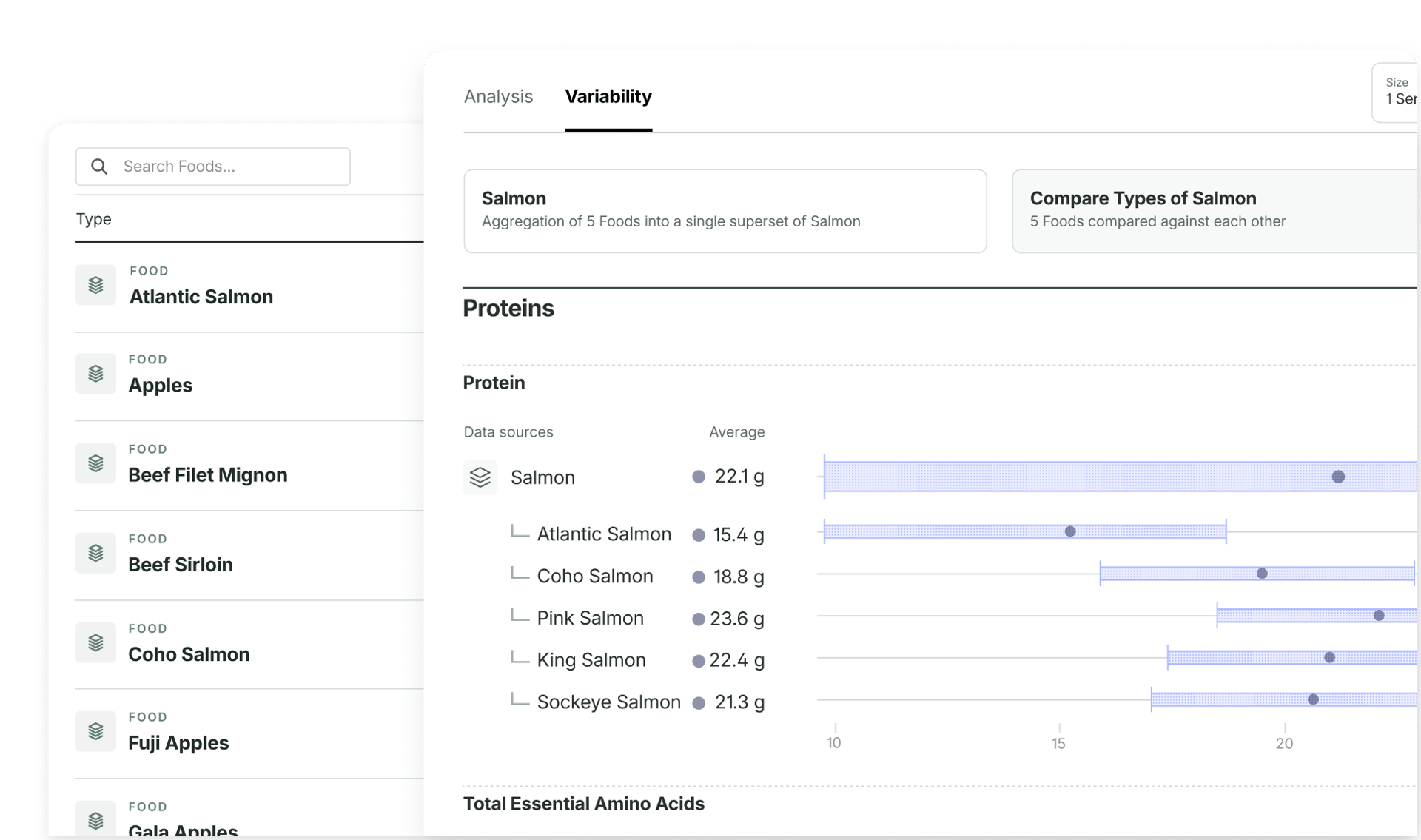
Foods
Foods give you the category-level picture: USDA data and Edacious's own testing combined into one comprehensive dataset per food type, browsable A to Z, with large sample sizes that increasingly include regenerative practices. It's the most complete comparison point available for understanding where any single product actually falls within its category.
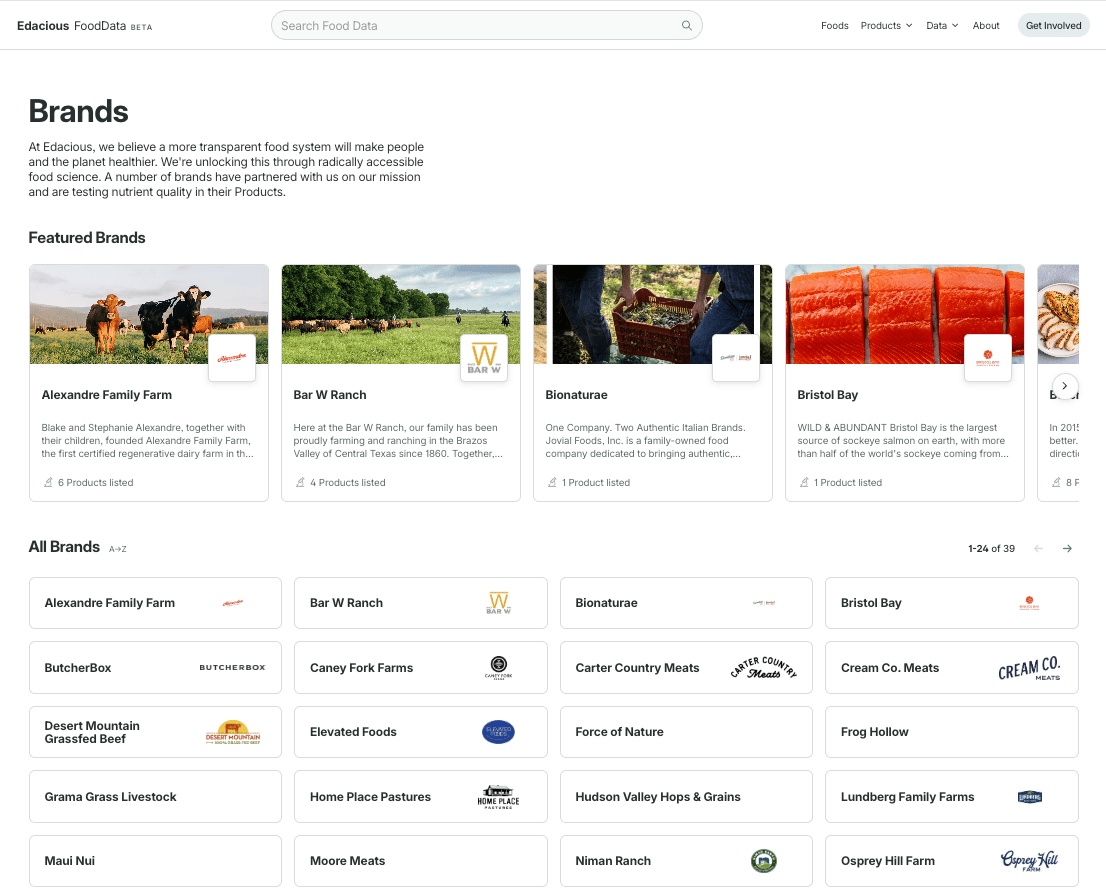
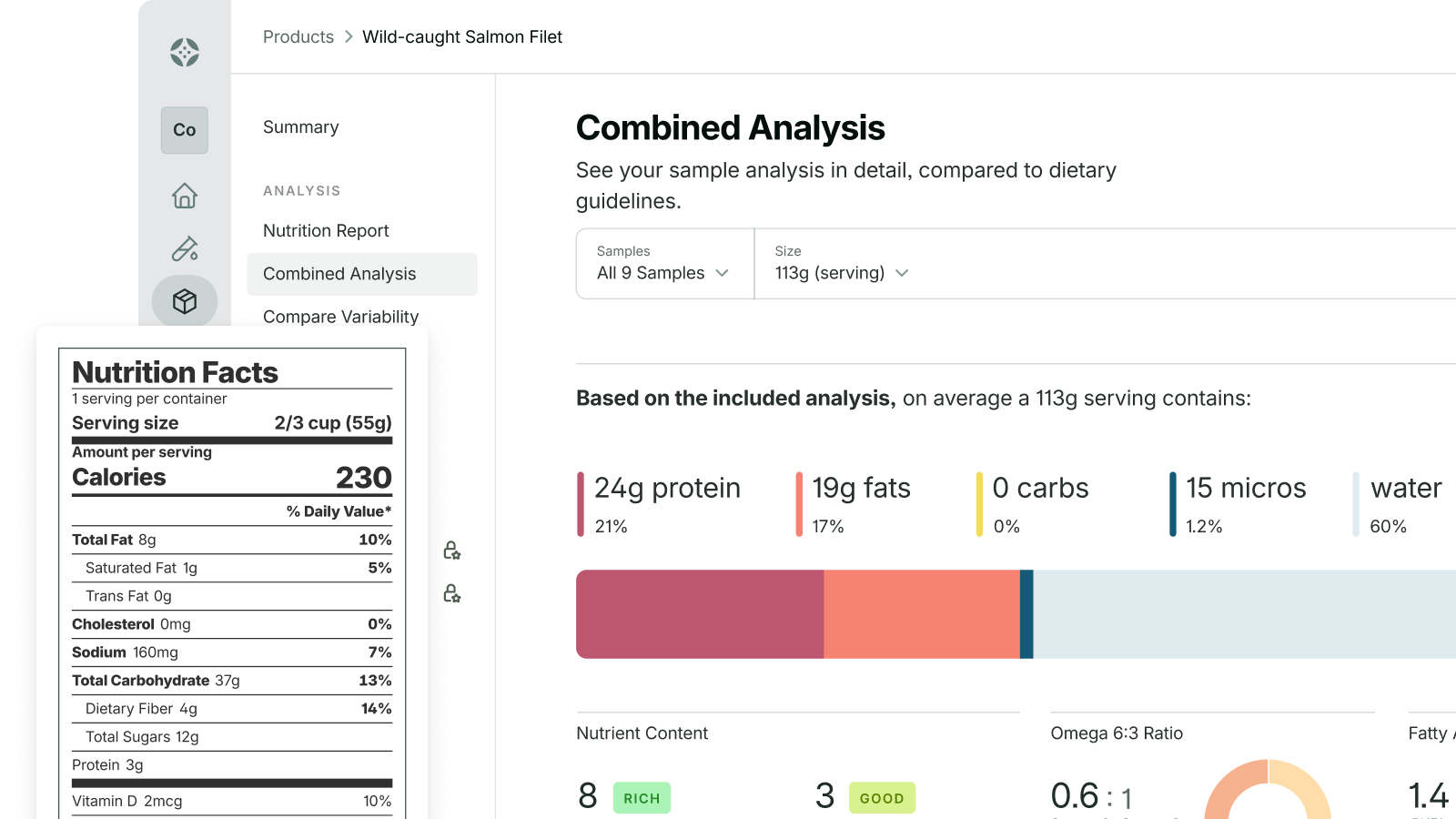
Products, brands, and certifications
Products, brands, and certifications give you the other side: verified results tied to something specific, a single tested product, a company's full portfolio, or every product carrying a given certification. Each is backed by data a brand chose to make public.
In Practice
Three Reasons Brands and Producers Choose Verified Data with Edacious
Working with Edacious doesn't mean the same thing for every partner. Some come to prove a product’s nutrition holds at scale. Some come to build a case for how an entire supply chain gets valued. Some use it to guide decisions on their own farm. Three recent partnerships show how differently that plays out.
Applegate wanted to know whether its regenerative sourcing showed up in the food itself, not just in the story behind it. Testing ran across more than 120 lots of its certified regenerative all-beef hot dogs, sourced from cattle grazing on different grasses across different seasons. The result that mattered wasn't a single favorable number. It was that the omega-6 to omega-3 ratio held steady, 1.3:1, in every season tested, across an entire supply chain rather than one sample. For Applegate, verified data meant proof that a claim they'd already been making actually holds up at scale.
Read the full feature on FoodNavigator →
Community Food Works is using verified data to make a different kind of case entirely. Farmers are paid today by the pound, not by the nutritional quality of what they grow. CFW is working to change that math, starting with a study that measures wheat, flour, and bread at every step from farm to table. "Without easy access to hard data on nutritional quality, it's hard for anyone to justify paying more for a product, and hard for a farmer to justify the investment in different practices," said Kyle Jaster, CFW's Managing Director. Here, the data isn't proving a product claim. It's building the evidence base for paying farmers differently.
Caney Fork Farms is using verified data for something neither of the other two partnerships needed it for: understanding whether their own management practices are actually working. "We've been working with Edacious to better understand how our management practices are impacting nutrient density," said Farm Director Asher Wright. "Monitoring this is one thing that makes us unique." For Caney Fork, that monitoring feeds directly into decisions on the farm, and into how they explain their approach to the people who buy from them, including a "Food is Medicine" series exploring how soil health connects to what ends up on the plate.
Read Asher's latest post on soil health →
Insights from The Lab
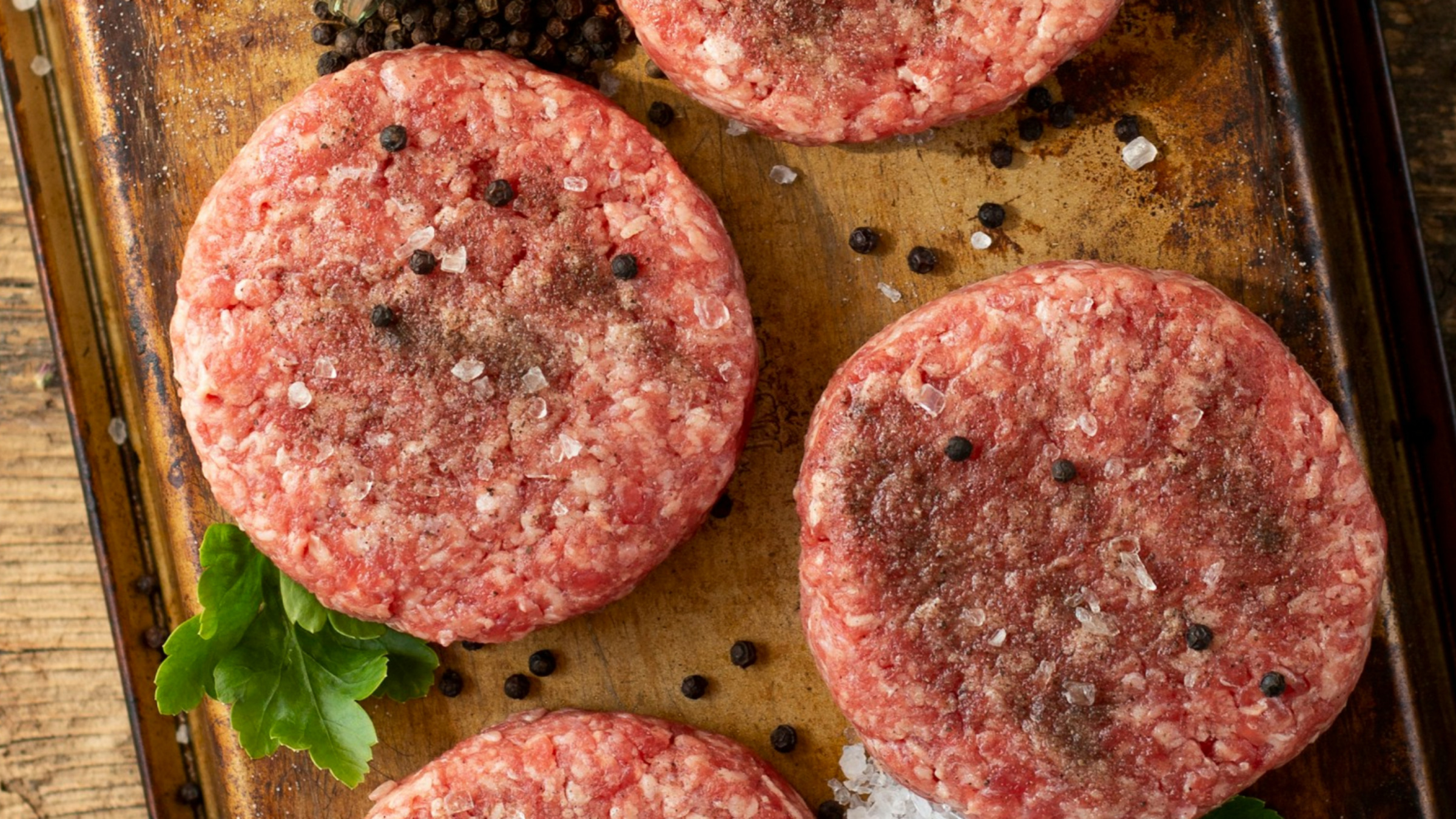
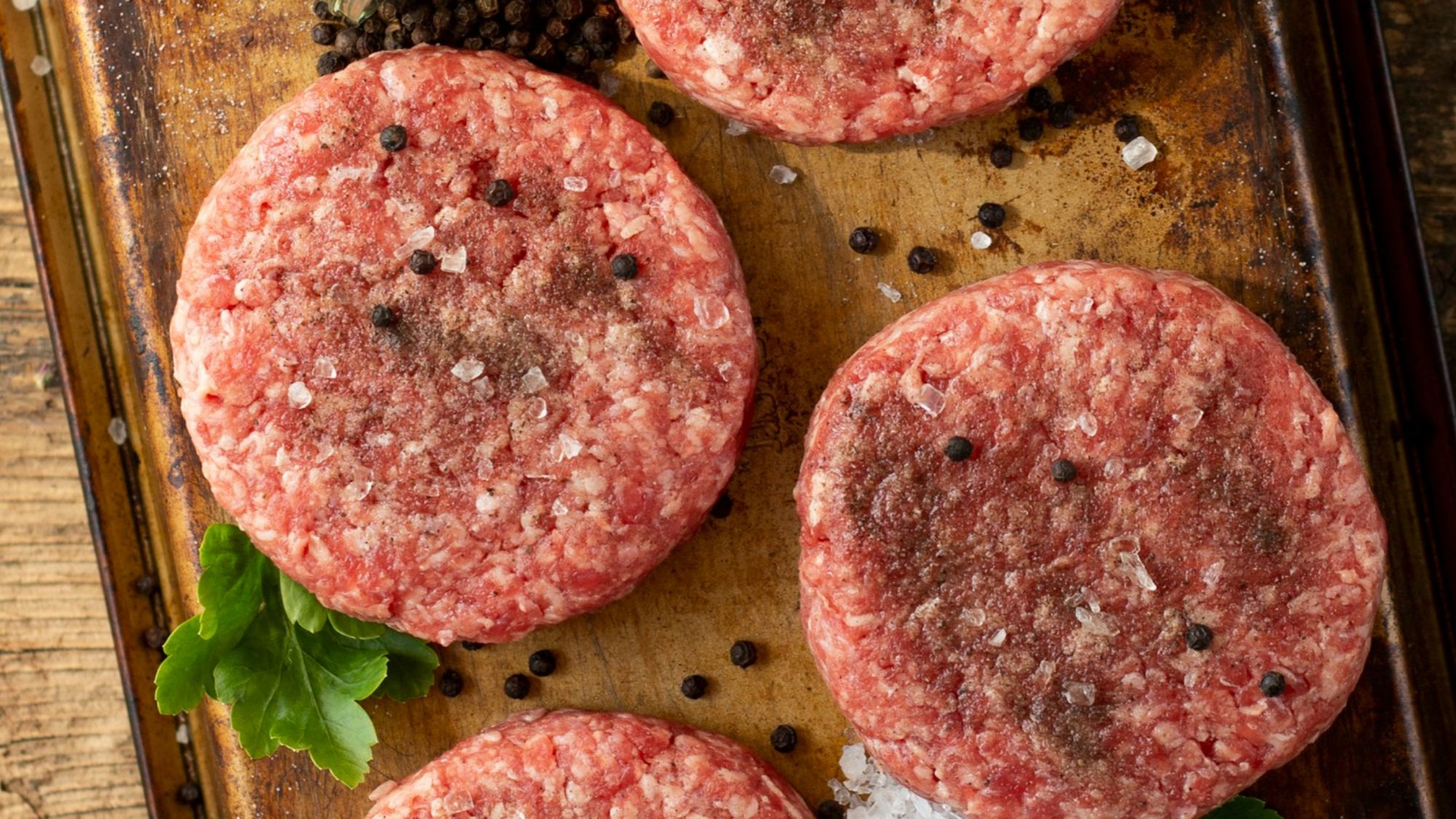
Does Adding Organ Blends to Ground Beef Boost Nutrient Density?
A growing number of brands are building ancestral-style ground meat blends that reintroduce organ meat in small, palatable percentages. Our lab data, drawn from 327 tested samples, shows the answer is yes, in specific nutrients and by enough to matter.
Vitamin A sees the largest shift, moving from a near-zero baseline to a genuinely useful amount. B2 (riboflavin) and B5 (pantothenic acid) cross into "good source" territory. Iron, B3 (niacin), and B12 (cobalamin) were already claims-eligible in standard ground beef and climb further still.
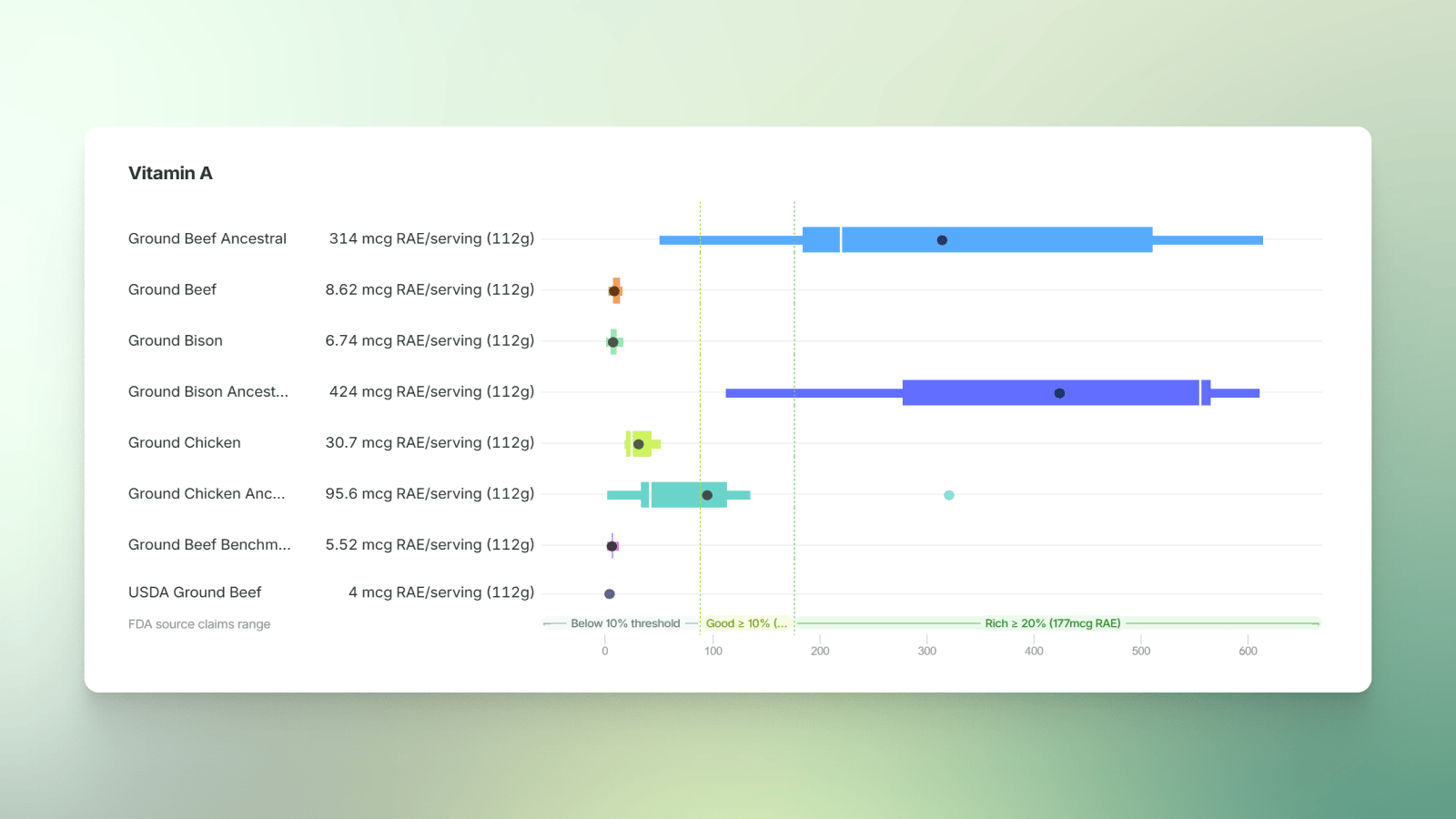
Force of Nature is a real example of the pattern. Their Ground Beef Ancestral™ Blend qualifies as a rich source of seven nutrients tested and a good source of three more. Vitamin A and copper clear the same "rich in" bar the broader dataset shows (35% DV and 38% DV), and riboflavin goes a step further, landing a full tier higher than the category average. This is one brand's results on one formulation, not a category-wide claim, but it's a concrete look at what organ inclusion can do in a product on shelf today.
"Across human history, organ meats have been prized for their nutrition. Ancestral™ Blends bring that tradition into everyday foods, making it easy to get more nutrient-dense organ meats onto the table." — Robby Sansom, CEO, Force of Nature
A Final Note
We hope you are enjoying The Translation. We'll be back next quarter with more data, more stories, and more insights. Have a question, a story to share, or feedback on this newsletter? Send us a note; we want to hear from you.
— The Edacious Team