


Protein Quality
Beyond Total Protein: Our Approach to PDCAAS and Building Defensible Protein Claims

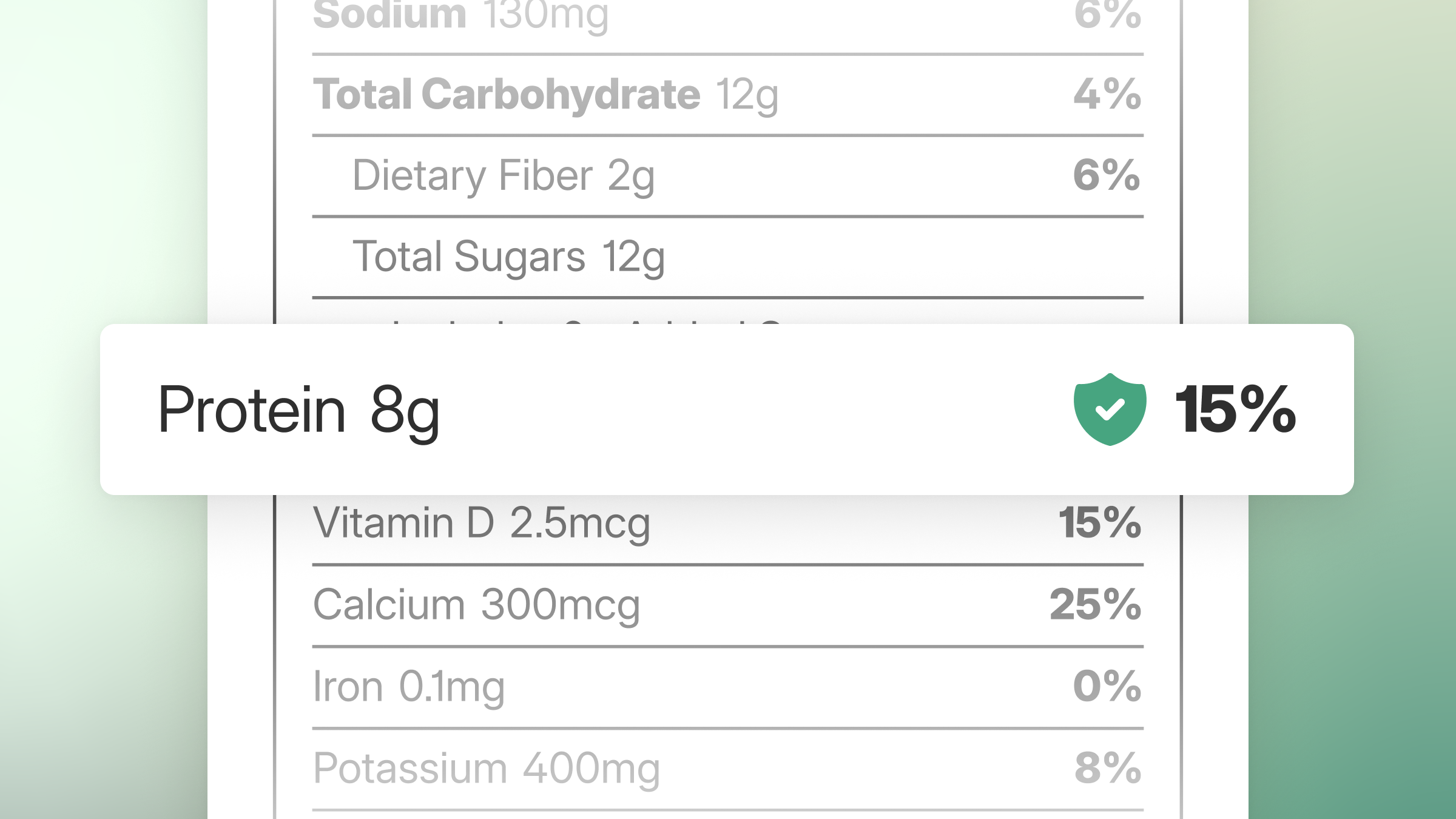
The Evolution of Protein Quality Assessment
Protein claims are everywhere, and as scrutiny around them increasing, so to is avoidable risk.
Many products appear claim-ready based on total grams alone. But under FDA guidance, protein used to calculate % Daily Value (%DV) and support “good source” or “excellent source” claims must be adjusted using PDCAAS (Protein Digestibility-Corrected Amino Acid Score).
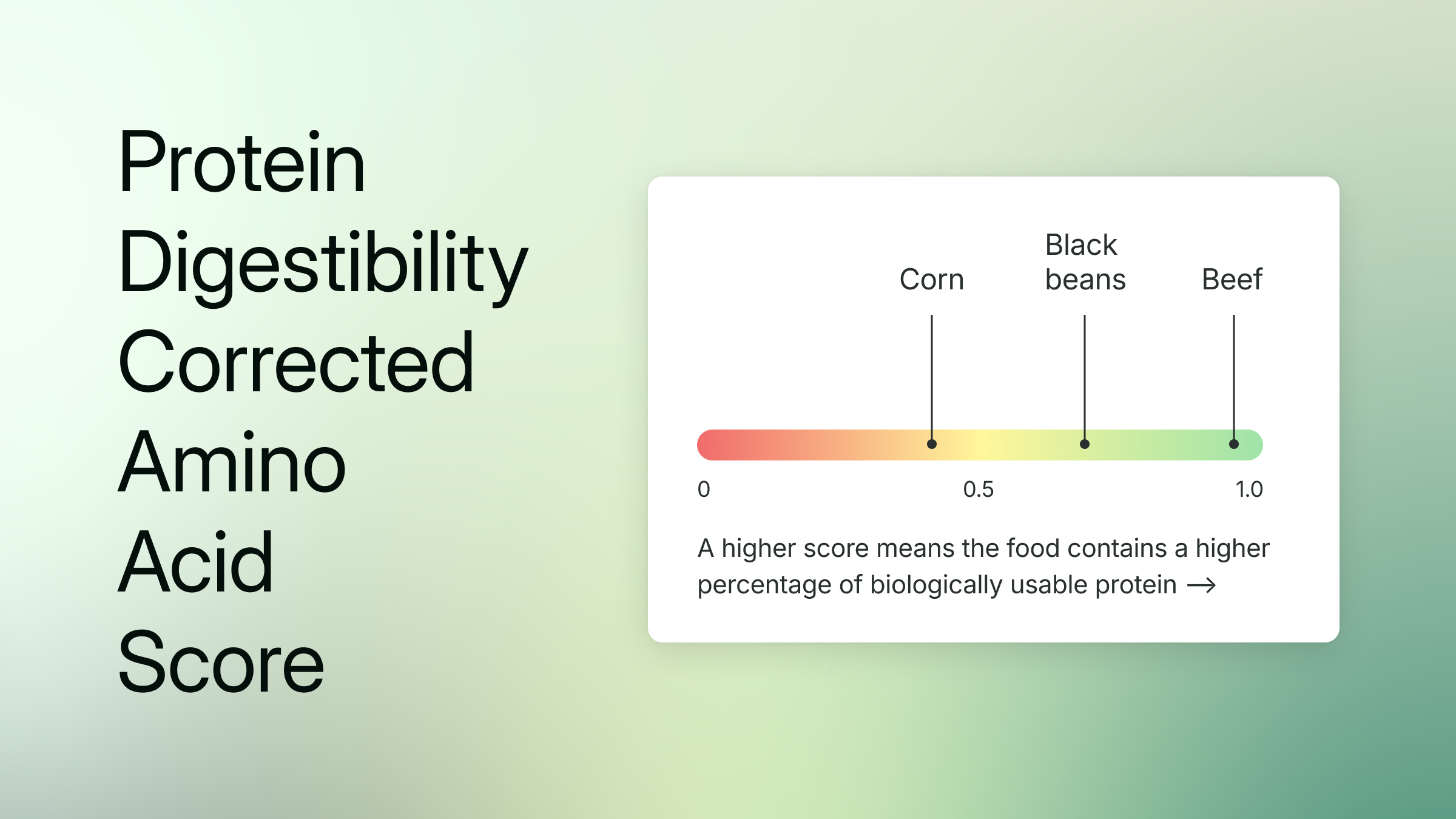
What Is PDCAAS?
Think of protein as a construction project. You need specific building materials (amino acids) in the right proportions to build what your body needs. Some protein sources provide all the necessary materials in perfect ratios and are easily absorbed—these score high on PDCAAS. Others might be missing key components or be harder for your body to digest or use effectively.
PDCAAS evaluates protein using two critical factors:
- Amino acid profile: Does the protein contain all essential amino acids in the proportions your body needs? Our bodies can’t make essential amino acids, so we have to get them from the diet.
- Digestibility: How well can your body actually absorb and use this protein?
In short: Total protein measures quantity, and PDCAAS determines how much of that protein is biologically usable.
Why This Matters for Food Manufacturers
Without PDCAAS adjustment, a product may appear to qualify for a protein claim — but fall below the required threshold once amino acid balance and digestibility are accounted for.
This creates several risks:
- Overstated or unsupported claims
- Incorrect %DV calculations
- Label revisions after review
- Increased scrutiny during audits
As protein marketing intensifies, regulators and third parties are paying closer attention to claim substantiation. Relying on total protein grams alone leaves room for miscalculation.
Defensible claims require quality-adjusted data.
The Edacious Edge: Integrating PDCAAS into the Foundation
At Edacious, we work to incorporate PDCAAS-adjusted calculations directly into our nutrient analysis framework. This means we'll analyze not just how much protein your product contains, but how valuable that protein actually is for human nutrition.
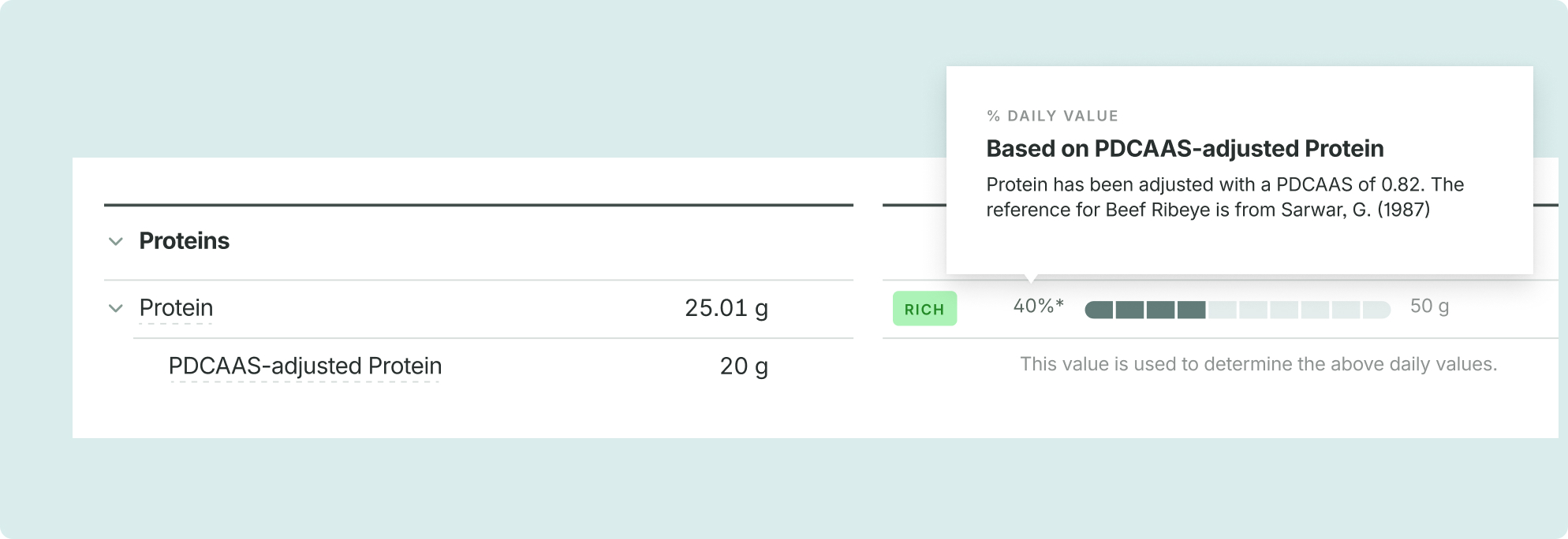
This means:
- Protein %DV values reflect FDA-compliant methodology
- Claim eligibility is calculated using quality-adjusted protein
- Products are evaluated against established reference values where available
- Gaps are identified early to avoid downstream compliance surprises
For food types without established PDCAAS reference values, we guide clients through pathways, including leveraging scientific literature, comparable food types, or targeted testing when necessary.
This structured approach ensures that protein claims are built on validated, transparent methodology.
Defensible Claims Start with Defensible Data
When you partner with Edacious, you are not just receiving nutrient data. You are strengthening your labeling strategy with an added layer of regulatory protection. We integrate PDCAAS-adjusted calculations directly into our analytical framework so that protein %DV values and content claims align with FDA-recognized methodology from the outset. This supports accurate claim eligibility, stronger regulatory defensibility, and greater confidence in how protein positioning will hold up under review.
Consumer demand for high-protein products continues to grow, and scrutiny around those claims is increasing alongside it. The shift from measuring protein quantity to evaluating protein quality reflects a broader change in labeling accountability. Looking beyond total grams to quality-adjusted protein provides a clearer understanding of nutritional value and claim qualification.
Incorporating PDCAAS into our platform and process reflects our commitment to delivering meaningful, defensible nutrient analysis. In today’s market, it is not enough to list protein. Brands need protein claims they can support with confidence.
The Protein Quality Series examines how protein quality is measured in real food — beyond total grams and marketing claims. We explore amino acid balance, digestibility, PDCAAS, and regulatory thresholds to clarify how usable protein is calculated, qualified, and communicated. Because when it comes to protein, quantity alone is not the full story.
.png)
.png)

